
THE MODERN MINT BLOG
Yep, lovely Modern Minters, we are going to make this call – right now, in 2017, if you have a garden that helps the bees then that makes you sexy.
But how does that work? Can you really become a babe magnet just by encouraging bees to your garden?
Yes. Yes you can. As you probably know, we need bees.
They pollinate our tastiest food – think tomatoes, strawberries, apples… and there is a growing body of evidence that suggests bee pollinated food is healthier, tastier (because it has a better sugar to acid ratio) and keeps longer, meaning you get less waste when moving the food from field to plate.
Thinking this through, it may be that if we lose all the bees (and colonies have been in decline, suffering from the use of pesticides in the fields that grow our food and the loss of habitats for forage) then all may not be lost – sure we won’t have the tastiest of food, but we may be able to stimulate the economy with all the new jobs created hand pollinating our crops.
No-one will be out of work again!
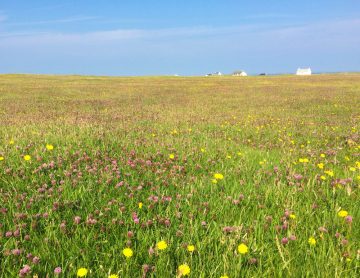
But as lovely as a job painting pollen onto flowers sounds (it isn’t when doing it on a huge scale, all day, every day) we don’t think that is really what the Government has in mind for stimulating the UK job market.
What they really need is to do all they can to encourage the bees so that our food is as healthy and easy to grow as possible.
Encouraging organic growing would be the best place to start, as would a reintroduction of wildflower meadows.
But as that isn’t likely to happen, what simple actions can you take to make your garden a magnet for bees?
Make Your Garden A Magnet For Bees
First of all, refrain from using insecticides, herbicides or pesticides. They all sound a lot like genocide, and that is exactly the affect they have on our bee population.
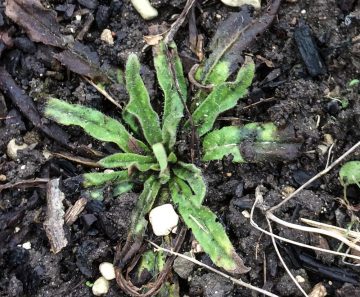
Secondly, plant a wide range of flowers for bees. The best ones have been researched by Rosi Rollings, of Rosy Bee. This photo below is of one of her star plant performers, Echium, photographed by Rosi herself in winter.
Yes, it looks like a weed, but it grows into a magnificent flower and is a total bee magnet.
Other great plants for bees include the lovely daisy Helenium, the easy to grow Sedum and the fun Teucrium, which is an alternative to boxwood (if you suffer from box blight.)
Thirdly, plant these bee friendly flowers in blocks – it means the bees waste less energy going from nectar source to nectar source. The bees will also see this block of flowers far quicker, making it truly magnetic!
But what do we mean by planting flowers in blocks?
We mean planting something like this, a border designed by Piet Oudolf…
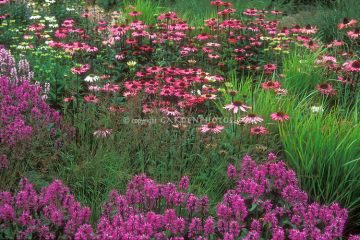
Vast numbers of flowers!
Lastly, plant organic bulbs. They are bee friendly!
By making these simple changes to your garden, you can provide a piece of land that is an absolute magnet for bees.
And in our eyes, someone who can attract the bees and help arrest their decline is attractive in far more ways – they show they have empathy for other creatures, are intelligent enough to know a bit about the world, they get out of their seats and actually do something and, of course, they grow so many flowers the world looks a better place.
If that isn’t attractive, if those aren’t values that we can admire in someone, then we don’t know what is.
Good luck with turning your garden into a bee magnet – and yourselves into a babe magnet!
Modern Topiary, the Book, at Garden Media Guild
My book about topiary, Modern Topiary, has been mentioned on the Garden Media Guild newsletter…. As the screenshot says, the book can be read for free online here. At the bottom of the screenshot, it looks like another Garden Media Guild member has a book out called ‘A Year In A Cottage Garden’…. so if that is where your garden heart lies, check that out too! And at the top of the screenshot, it looks like I was listening to Pelleas et Melisande, by Debussy. What a classy chap I am, listening to classical music as I reply to emails. …
Start of the Whitby Topiary Library
I have been offered a space here in the centre of Whitby, south-facing aspect, with some raised beds in, so that I can make a Topiary Library. In my head, a topiary library is a place to showcase the common (and then not so common) shapes you can make out of topiary. With classical topiary plants, as well as some more unusual pieces. This Topiary Library can act as a reference for people to learn more about pruning and clipping. The space is small but the aspect is great and the beds are deep enough to put some plants in. …
Delivery After Dark – From the Makers of The Amelia Project
Last week I spent most nights stood in cold water streams on the moors of North Yorkshire, helping to film a new project called Delivery After Dark from the makers of the Amelia Project. I worked on the Amelia Project back at the end of 2024, lending my terrible vocal talents to a small part in the episode Didius Julianus. But this project is something new – and exciting! – and thankfully only needed me to be filmed, rather than to actually say anything. But not only did I have to stand in cold moving water at midnight, I also …